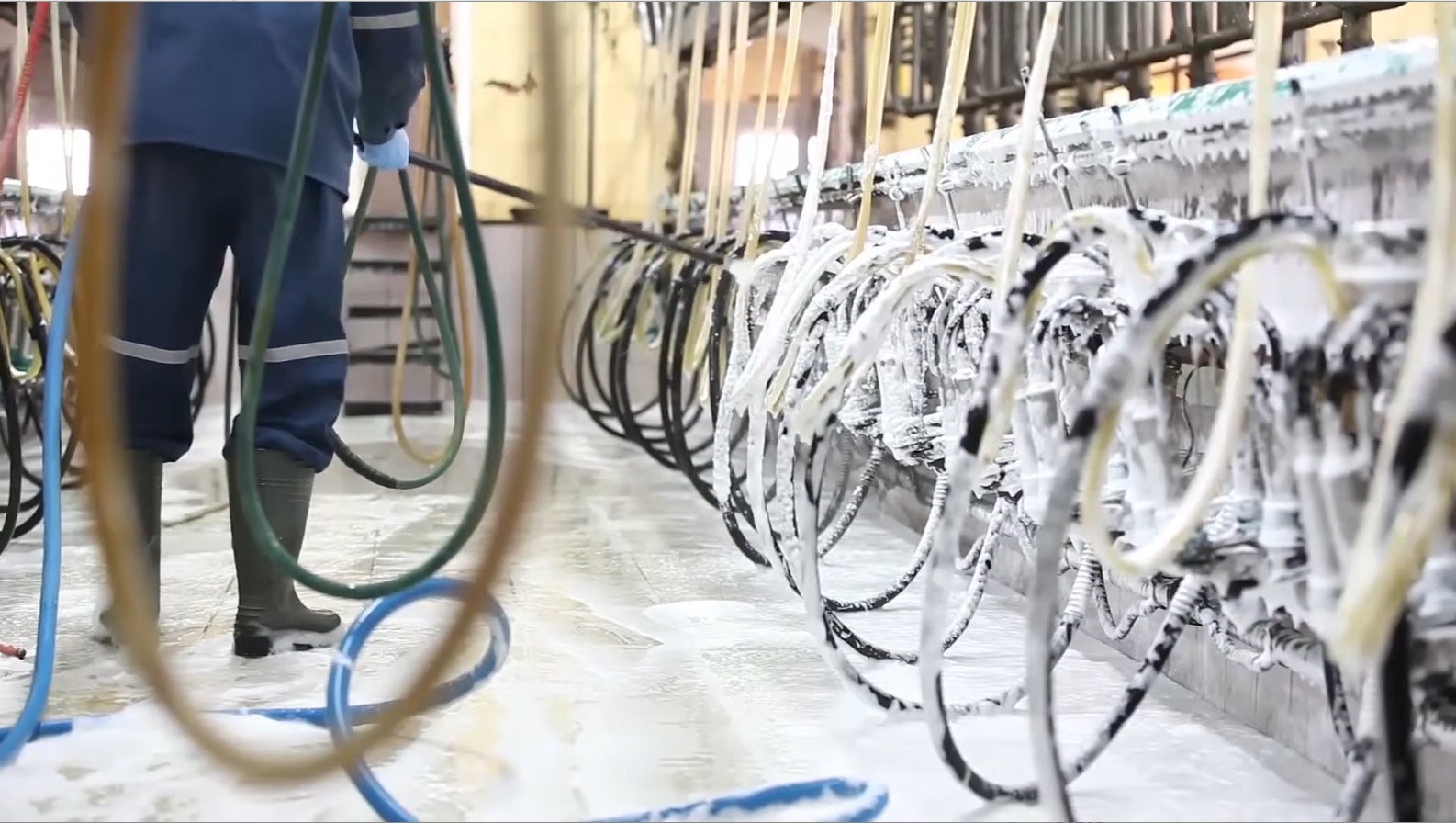
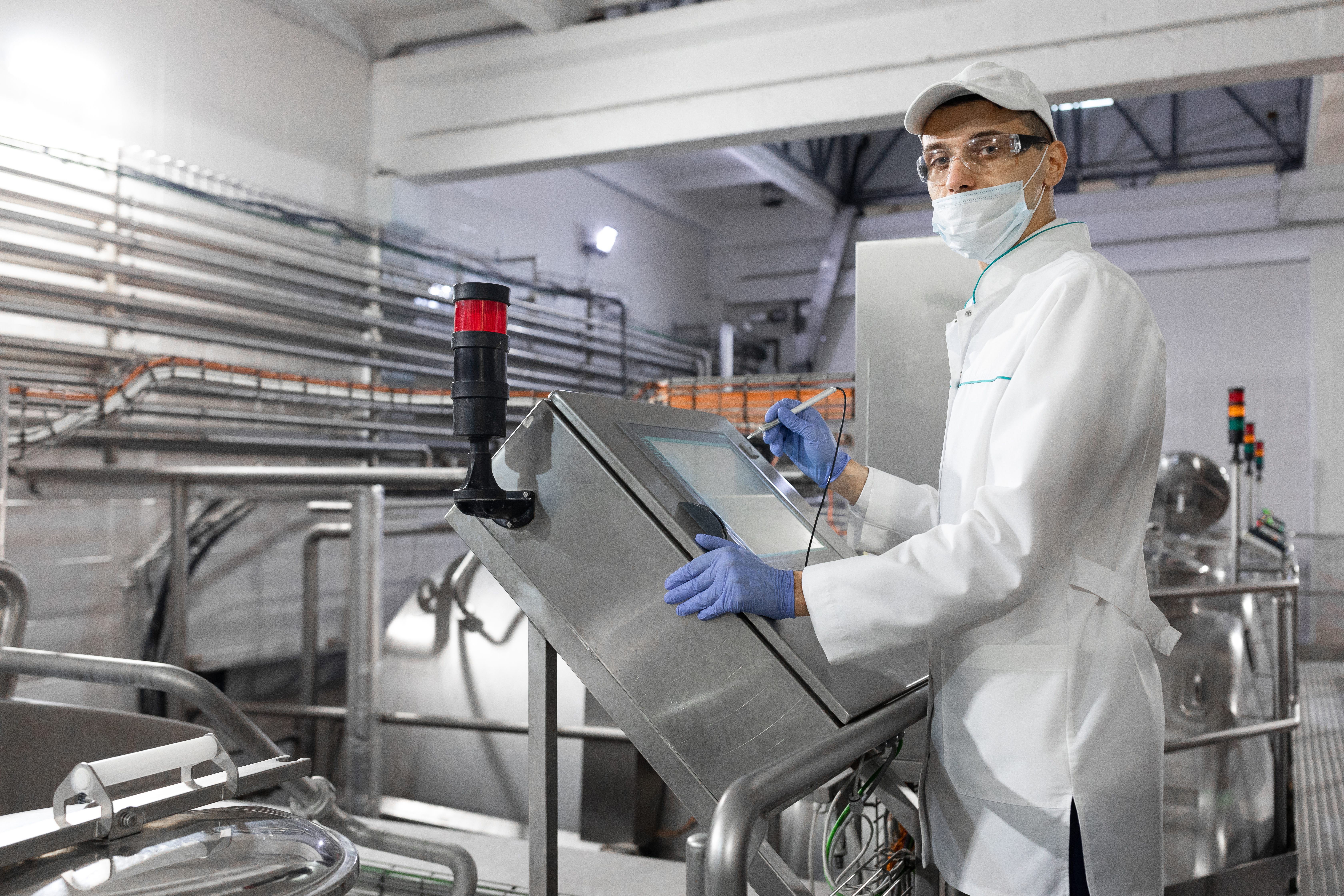
Proper zoning of the industrial washing system

In many industries, the washing system is configured according to the principle «everywhere is the same.» The same hoses, the same chemistry, the same modes — regardless of the zone and the level of risk. In practice, this leads to typical problems:

unstable flushes, an increase in microbiological abnormalities, overuse of water and chemicals, confusion among staff and difficulties during inspections. Often, after modernization, the situation only gets worse.

The reason is usually not chemistry or discipline. The main problem is the lack of zoning of the washing system. Zoning is an understanding of where, with what, and with what intensity washing is carried out in each part of the production. Different zones have different levels of pollution and different sanitary risks, which means they require different solutions for equipment, modes and disinfection. Without this, the company either undermines critical areas or overpays for excessive sanitation where it is not needed.

In this article, we will look at how to properly divide production into zones with different cleaning and disinfection requirements in order to reduce risks, reduce costs, and simplify operation and inspections.

What is the zoning of a washing system in simple terms?

Industrial zones are areas with different levels of pollution and sanitary risks. Somewhere, raw materials, dirt from the street and packaging get on the equipment and floor. Somewhere there is an active processing of the product. And somewhere the finished product is already being formed, and any extraneous contamination is critical.

It is important to understand that zones are not «for show» in the business plan and not colored lines on the floor. This is the logic of the movement of pollutants and microorganisms through the plant. To simplify, the zones answer one key question: how dangerous is it to bring pollution here and what happens if it happens. The washing requirements depend on it:

  • type of equipment
  • water pressure and flow
  • rate concentration and composition of chemicals
  • frequency and depth of sanitary treatment

Why is the same car wash throughout the plant a mistake?

When the entire site is washed the same way, the system starts working against itself.

In «dirty» areas, such washing is often insufficient: dirt is smeared rather than removed, microflora accumulates, and flushes become unstable.

In «clean» and high—risk areas, the opposite is true: excessive pressure, aggressive chemicals and unsuitable equipment are used, which increases the risk of cross-contamination and damage to surfaces.

As a result, the company faces several problems at once:

  • an increase in microbiological abnormalities
  • overspending of water and detergents
  • confusion among staff
  • the need for repeated washes and downtime

The same sink creates the illusion of control, but it does not manage risks.

The zoning of the washing system is precisely necessary so that each zone receives exactly the level of sanitation that it really needs — without compromising safety and without unnecessary costs.

What zones do food companies usually have?

There are several typical zones in any food production. The names may vary, but the logic is always the same — the level of risk and sanitation requirements change as the product moves.

«Dirty» zones

(acceptance, storage of raw materials, primary processing)

These are the points where the outside world gets into production: raw materials, containers, shipping packaging, dirt from the street.

These zones are characterized by:

  • high level of mechanical contamination
  • unstable quality of raw
  • materials maximum risk of foreign microflora

Washing here is primarily aimed at removing visible contaminants and organic matter.

As a rule, a higher water consumption is used, but disinfection requirements are lower than in clean areas.

The key task is to prevent these pollutants from escaping further into production.

Production areas

These are the main workshops where the product is processed: cutting, mixing, heat treatment, molding and other operations.

Here, the risks are more manageable, but permanent:

  • product contact with equipment
  • formation of product residues
  • conditions favorable for the growth of microflora

Washing in production areas should be regular, repeatable and technologically stable. It is important not just to «wash», but to ensure a predictable sanitary result from shift to shift.

Clean and high-risk areas

These are the areas where the product is already most vulnerable: cooling after heat treatment, packing, packaging, and handling finished products.

The sanitation requirements are the most stringent here:

  • minimal level of cross contamination
  • strict flow separation
  • controlled washing and disinfection

In these areas, the transfer of equipment, excessive water pressure and universal solutions «for all production» are unacceptable. An error in washing here is almost always reflected in the flushes and the finished product.

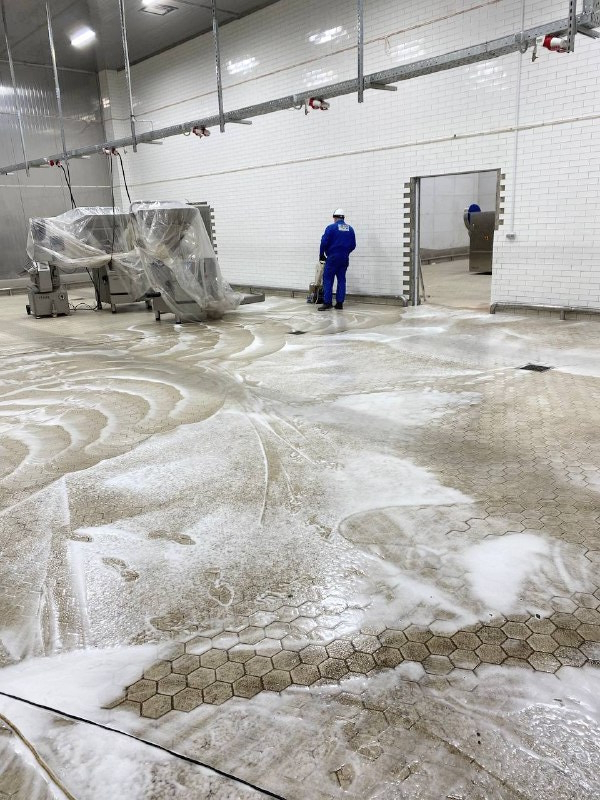
Auxiliary and sanitary areas

This category includes:

  • sanitary
  • checkpoints, washing equipment
  • corridors, vestibules, technical rooms

These zones are often underestimated, but it is through them that pollution is transferred between workshops.

The car wash here should support zoning, not destroy it: inventory, equipment, and modes should be logically linked to the zones they serve.

How do the washing requirements differ in different zones?

Once the zones are defined, the key question is exactly how the sink in each of them should differ.

The mistake of many enterprises is that differences are recognized «verbally», but not embedded in the system.

In practice, the differences always appear in four parameters.

  • Water pressure and flow rate

In «dirty» areas, higher water consumption is more often required.

The task is to wash away mechanical impurities, remnants of raw materials, dirt from containers and floors.

In production areas, pressure and flow must already be balanced: sufficient for efficient cleaning of equipment, but without excessive spraying and spreading of pollutants.

In clean and high—risk areas, excessive pressure is a direct risk.

It promotes the aerosol transfer of microflora and contaminants to neighboring surfaces and the product. The controllability of the process is more important here, not the «jet force».

  • Concentration of chemistry

The universal concentration of detergents and disinfectants throughout the plant almost always leads to overspending.

In «dirty» areas, the concentration may be higher for handling heavy organic pollutants, while disinfection requirements are often lower.

In clean areas, on the contrary, the accuracy of dosing and the stability of concentration are important.

Excessive chemicals here do not improve the sanitary result, but increase the risks of residual traces and damage to surfaces.

  • Type of foam washing equipment

One foam generator or one type of washing equipment for the entire production is a common but problematic practice.

Different zones require different equipment:

  • different performance
  • different pressure
  • different foam delivery method

In high-risk areas, it is especially important to exclude the transfer of equipment and ensure that it is tied to a specific site.

  • Frequency and depth of sanitary treatment

Not all areas require equally deep and frequent sanitation.

In «dirty» areas, the emphasis is on regular cleaning during the shift.

In production facilities, there is a clear schedule for inter—shift washing.

In clean and high-risk areas, sanitation is usually deeper and more strictly regulated, with mandatory control of the result.

An attempt to apply a single washing schedule to the entire enterprise leads either to staff overload or to failures at critical points.

Typical errors in the zoning of the sink

Even if the factory has modern equipment, the lack of proper zoning leads to problems. Let’s look at the most common mistakes.

One foam generator for the entire production

Often, one universal foam generator or high-pressure washer is installed in all areas. Problems:

  • it is impossible to control the regime and concentration of chemicals in different zones
  • high risk of contamination transfer from «dirty» areas to clean ones
  • overspending of water and chemicals in areas where it is not needed

Transfer of equipment between zones

Hoses, brushes, and foam generators are often moved between workshops «for convenience.» Effects:

  • Microbes and organic residues are transferred to clean areas.
  • violation of the logic of sanitary treatment
  • difficulties in auditing and microbiological control

Lack of color and logical binding

Color coding and clear «what’s where to clean» logic are simple but often ignored tools.

Without it, the staff confuses the equipment, chemicals and modes.

The result is errors in washing, overspending chemicals, and unstable flushes.

Mixing «clean» and «dirty» sinks

Sometimes the same sink is used both for receiving raw materials and for a clean shop.

This directly contradicts the principle of zoning:

  • a dirty sink becomes a source of cross-contamination
  • high probability of microbiological incidents
  • it is more difficult to maintain a stable sanitary result

How proper zoning reduces risks and costs

Proper zoning of the washing system directly affects the safety, efficiency and economy of production. When each area is cleaned and disinfected according to the risk level, «dirty» areas do not carry germs further, and clean and high-risk areas remain safe. The flushes become stable, and the product is reliably protected.

In addition, zoning allows optimal use of water and chemicals. Chemicals are used where it is really necessary, and in clean areas their consumption is minimal. This point setting reduces costs without compromising sanitation and often saves up to 20-30% of consumables.


The system with clear zones also simplifies the work of staff. Employees know exactly which equipment and which modes to use in each part of production, mistakes are becoming rare, and repeated car washes are becoming a thing of the past.

Finally, proper zoning makes production convenient for audits and inspections. Supervisors see the consistency of the process: the zones are highlighted, the equipment is fixed, the washing schedules are transparent and easily reproducible. As a result, the company receives a safe, economical and predictable sanitation system that works for the result, and not «out of habit.»

How to start zoning in an existing production facility

You can start zoning at any operating enterprise without stopping production or changing the entire washing system. The first thing to do is to assess the current situation. This means understanding where and how pollution occurs, which areas pose the greatest risks, which washing modes are used, and where water and chemical consumption is excessive. Simple monitoring of processes, checking flushes, and analyzing microbiological data provide a clear picture of where the system is working effectively and where it is not.

The next step is to make improvements that do not require a complete upgrade. This may include securing equipment and chemicals to specific areas, introducing color markings, adjusting the pressure and concentration of detergents, and clarifying washing schedules. Retrofitting and small changes in the process are often enough to immediately reduce the risks of microbiological abnormalities, reduce resource overruns, and make staff work easier.

A complete replacement of the system is necessary only in cases where the existing equipment does not physically allow to delimit zones or provide different washing modes. In most cases, proper zoning is precisely the smart allocation of existing resources and process adjustments, rather than expensive reconstruction. This approach allows you to gradually implement changes, get a quick effect and at the same time maintain stable production.

Партнеры

ОдиссейСистемс

ОдиссейСистемс

ОдиссейСистемс

ОдиссейСистемс

ОдиссейСистемс

ОдиссейСистемс

Advantages

Work with us
Own production
Own production

We ourselves produce most of the items for the system: Pumping stations, foam stations, mobile carts, holders, mounting stands, etc.

Own Trademark
Own Trademark

We have registered our own trademark and always make sure that the client is satisfied and recommends us to specialists from other enterprises

Our work experience
Our work experience

The OdysseySystems company provides a full range of services in matters of cleanliness in food enterprises: from application processing to facility commissioning and personnel training. Our specialists will install the system in any region of the Russian Federation.

Providing a test sample

For enterprises that have water treatment systems installed that provide a working pressure of 20 bar, we can provide a test sample of a foam satellite for 30 days for operation at the enterprise.

Staged financing
Staged financing

The advance payment is 50% of the total contract amount. 30% is paid before shipping the goods to the customer. 20% is paid within 10 days after signing the equipment acceptance certificate

Turnkey works
Turnkey works

The OdysseySystems company provides a full range of services in matters of cleanliness in food enterprises: from application processing to facility commissioning and personnel training. Our specialists will install the system in any region of the Russian Federation.

Отправляя форму, соглашаюсь на обработку персональных данных и принимаю политику конфиденциальности