Why foam “doesn’t work»: 5 reasons for low washing efficiency

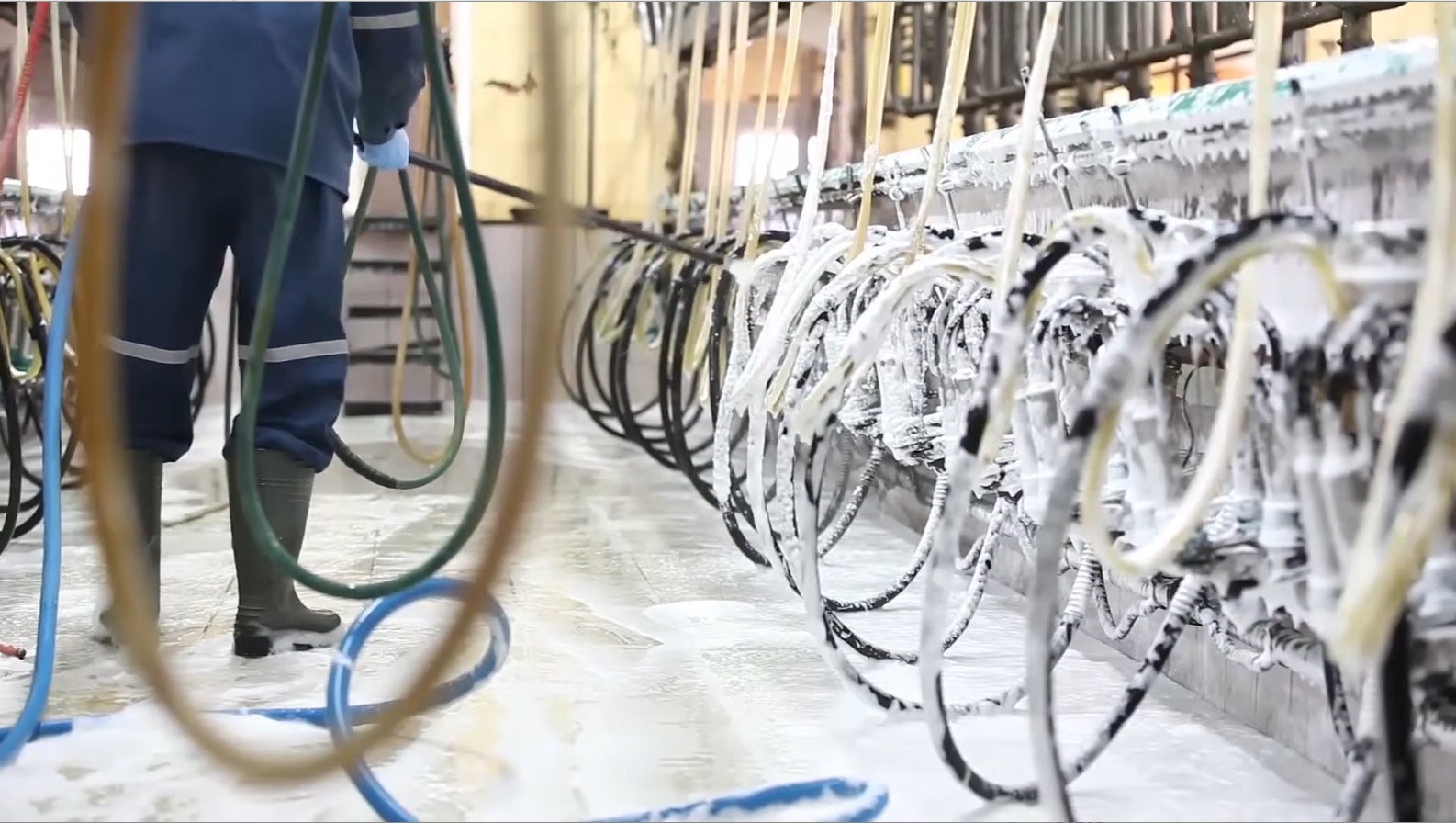
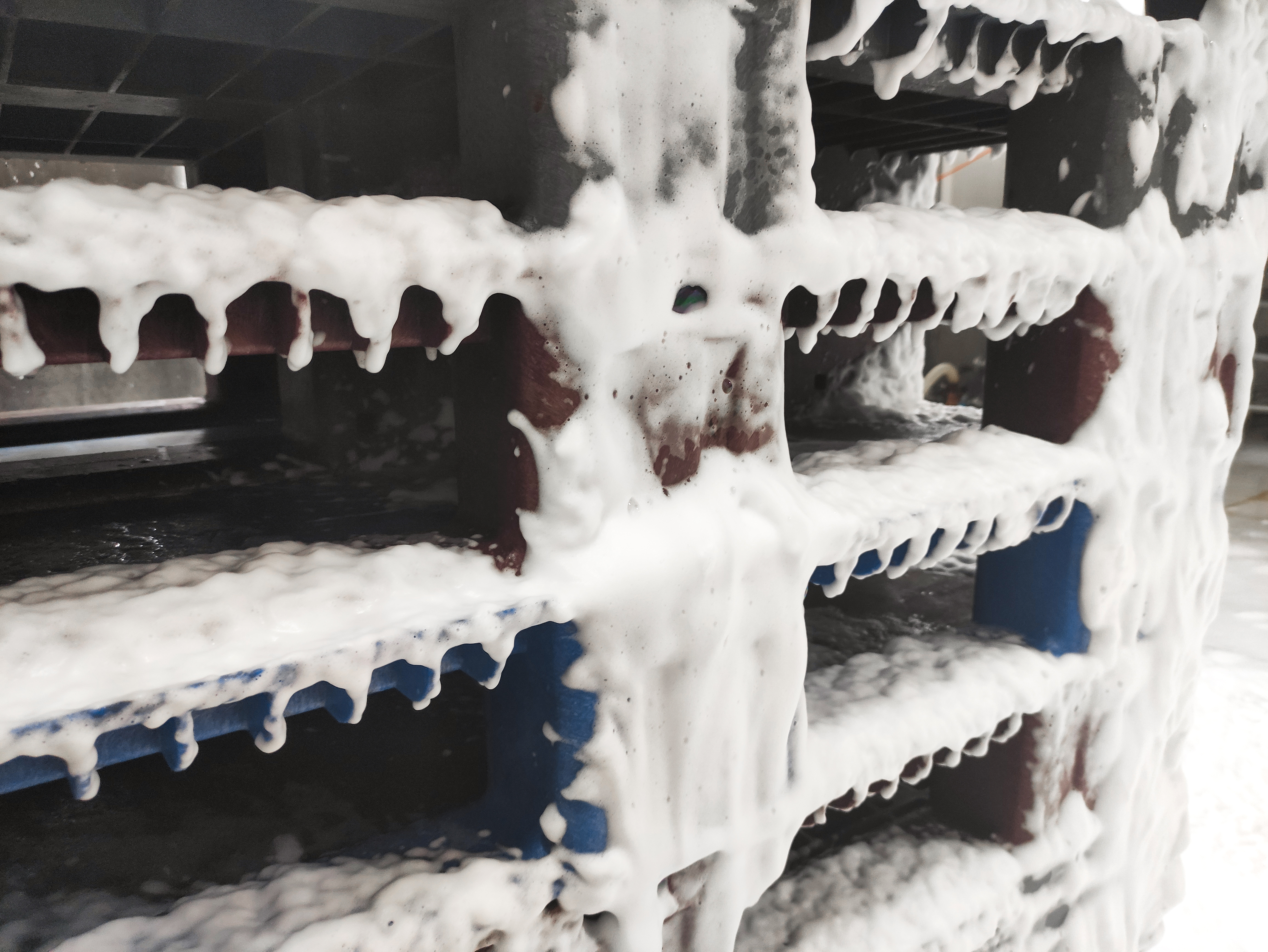
Intensive foam is one of the main tools for effective cleaning and disinfection. It helps to apply the detergent evenly, keep it on the surface longer and penetrate deeper into the dirt. But what if there is foam, but there is no cleanliness? Why is the train «not working», even though it used to?

Most often, the problem is not in the foam itself, but in the details: from the quality of the equipment to the application conditions. To understand them means to eliminate weak links and return the washing system to its efficiency.

In this article, we’ll look at the 5 most common reasons why foam «doesn’t work.» Perhaps one of them is about your case.

Reason № 1. The chemistry is wrong.

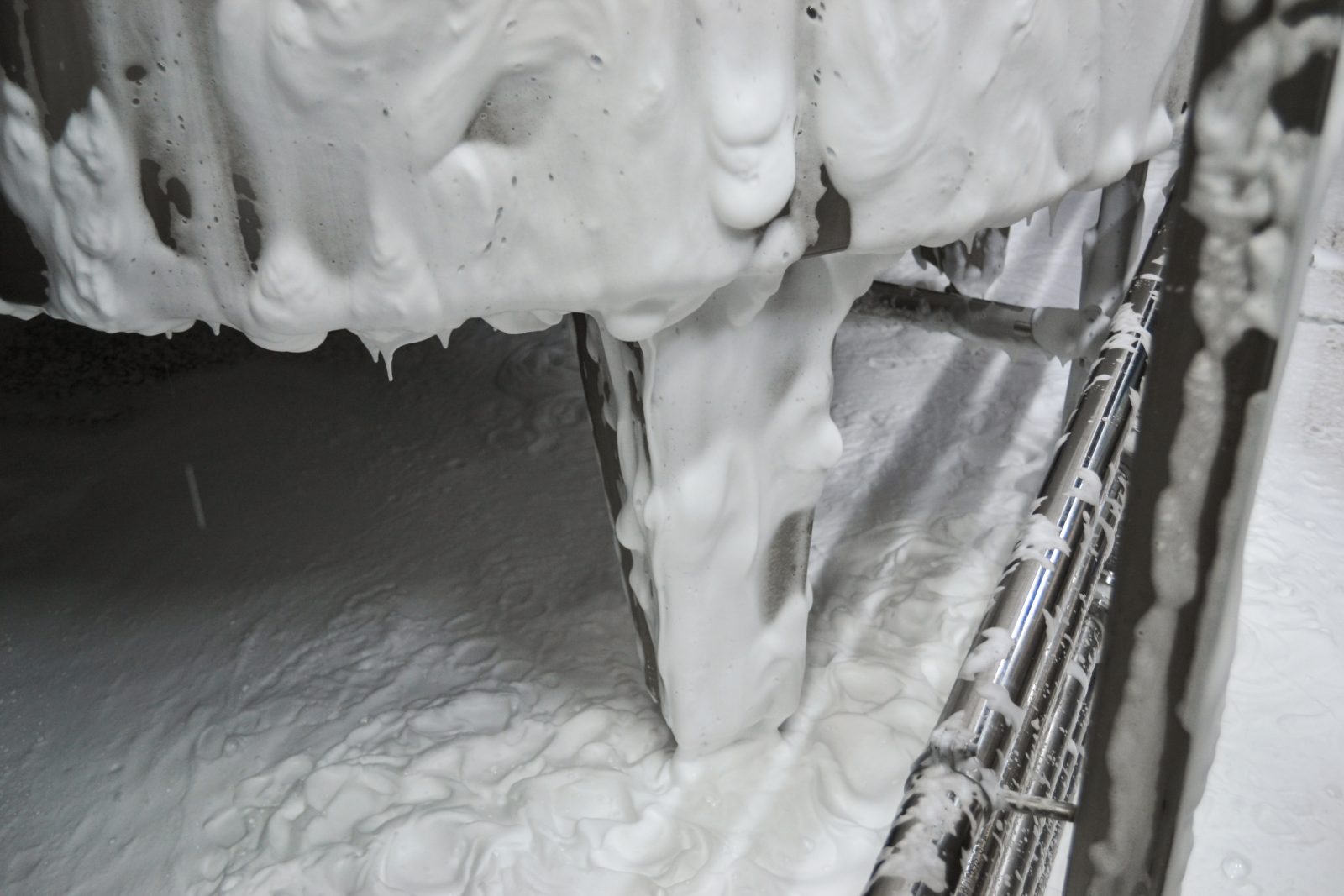
The composition of the detergent directly affects how the foam will work: how well it will fit on the surface, whether it will hold and whether it will cope with contamination. Even with good equipment and the right technology, incorrectly selected chemicals will reduce the efficiency of washing to zero.


What could possibly go wrong:

  • Too gentle a formula does not cope with fat and protein deposits, especially on vertical and hard-to-reach surfaces.
  • An excessively aggressive composition quickly «tears off» the foam, without giving it time to act, it can damage materials or cause corrosion.
  • Inconsistency with the type of contamination. One composition cannot cope equally well with both organic matter and mineral deposits.

What to do:
Contact a technologist and conduct testing. A specialist will help you choose the composition for specific conditions: the type of contamination, materials, temperature and method of application. This will not only improve the quality of washing, but also reduce the consumption of chemicals.

Reason №.2. Incorrect breeding parameters

Even the most effective chemistry loses its properties if the proportions are violated during its dilution. The balance of concentration is the basis for stable foam, proper operation of active ingredients and, as a result, high–quality washing. It would seem like a small thing, but that’s where the problems start in 80% of cases when «foam doesn’t work.»

What happens when breeding errors occur:

  • The solution is too weak. There are not enough active substances in the working composition to break the links between pollution and the surface. There may be foam visually, but it is loose, settles quickly and does not have the proper effect.
  • Too concentrated a solution creates excessive viscosity: the foam sticks to the surface, is poorly distributed, drains quickly or leaves traces. Such chemicals can quickly «burn out» and cease to be effective even before the end of exposure.

The result in both cases is the same – overspending chemicals and reduced washing efficiency.

How to fix it?
Concentration control is an essential step in any washing system. The best solution is to use automatic dispensers that eliminate the human factor and ensure stable solution quality. If the dilution is performed manually, it is necessary to check the parameters regularly: use measuring utensils, keep records, and adjust the concentration when conditions change (for example, water temperature).

Reason №3. Weak or unstable hardware

The equipment is the heart of the entire foam washing system. The pressure, the uniformity of the solution supply and the consistency of the foam depend on its quality and stability. Even with perfectly matched chemistry and precise proportions, weak or outdated equipment can negate the result.

Common problems:

  • The wear of pumps, hoses, and injectors reduces the operating pressure and disrupts the supply of solution. As a result, the foam is applied unevenly or does not form at all.
  • Unstable water or air pressure leads to interruptions in operation, the foam turns out to be either too liquid or «fluffy», unable to stay on the surface.
  • Inconvenient manual setup makes the process unstable and dependent on staff.
  • The use of cheap or substandard equipment often becomes a hidden cause of problems. Such installations fail quickly, do not cope well with the load, and do not make it possible to fine-tune the feed and foaming parameters. As a result, savings at the start result in constant failures and poor washing quality.

How to fix it:

First, ensure regular maintenance: checking the pressure, cleaning and replacing the worn parts, and monitoring the stability of the feed. Secondly, it is worth thinking about upgrading equipment: switching to high-quality, reliable solutions will not only stabilize the process, but also reduce chemical consumption and labor costs. Investments in equipment are investments in stability, safety and final quality.

Reason №4. Errors in washing technology

Even if high-quality chemicals and reliable equipment are used, the wrong technology can easily undo all efforts. The foam may be good, but if it was applied at the wrong time, washed off too early, or the steps were mixed up, the result will be unsatisfactory. Technology is what binds all the components into a single system, and the slightest failure here affects the final quality.

Typical errors:

  • Violation of the sequence of stages. For example, applying foam to an unpolluted surface, or, conversely, washing off dirt with water before applying chemicals. In both cases, the principle of action of the detergent is violated, and the efficiency of washing drops sharply.
  • Insufficient exposure time. The active ingredients do not have time to react with contamination, especially when working with fat, proteins or biological deposits.
  • Exposure time is too long. The foam dries out, the product begins to break down or lose activity, which can lead to the opposite effect: the contamination is not removed, and the chemicals leave traces or eat into the surface.
  • Irrational use of water and pressure during flushing. Excessive pressure can destroy the foam before the exposure is complete, and a weak flow will not wash away contamination and chemical residues.

How to fix it?

Train staff and implement clear, standardized technology. Regular briefings, visual diagrams, checklists, and automation of individual steps help eliminate the human factor. In addition, it is important to audit the current processes: it may be necessary to adapt the technology to the real conditions of the facility – temperature, volume of work, frequency of washing, etc.

Well–coordinated technology is not a formality, but the basis for a stable and predictable result.

Reason №5. Unsuitable environmental conditions

Even with well-established technology, high-quality chemicals, and serviceable equipment, the result may be unsatisfactory if external conditions are ignored. The environment in which the washing is carried out has a direct effect on the behavior of the foam, the reaction rate and the effectiveness of removing impurities.

What influences:

  • Ambient temperature – at low temperatures, chemical processes slow down, the foam becomes less active, and in severe frost it completely loses its properties. This is especially noticeable in unheated rooms or when working outdoors.
  • Humidity and ventilation – excessively dry air or drafts can lead to premature drying of the foam. A humid, stagnant atmosphere, on the contrary, prevents evaporation and reduces the effectiveness of flushing, especially in corners and hard-to-reach areas.
  • The water temperature is also a critical parameter: cold water reduces the activity of the detergent, and too hot can destroy the foam structure or increase evaporation.

How to fix it?

The first step is to analyze the conditions in which the washing is carried out. If the room temperature often falls below the recommended values, it is worth considering insulation of the washing area or a temporary increase in temperature at the time of work. It is also important to use heat-resistant or cold-adapted chemicals designed for stable operation in adverse conditions. Ventilation should not be ignored, but adjusted to ensure an optimal microclimate without drafts.

Remember: environmental conditions are a factor that can be taken into account and the technology adjusted to it. It is this approach that distinguishes a professional approach to washing from an accidental result.

Is the foam «not working»? So something is going wrong.

If the foam does not cope with its task, this is not a reason to abandon the technology. This is a signal: there is a weak link in the system that can and should be found. Inefficient washing is not a verdict, but an opportunity to fine–tune and improve the process.


The Odyssey Systems team will help identify the causes and propose a solution: we will conduct an audit, select equipment and chemicals for your tasks, train staff and build a technology that gives results.

Foam can work perfectly – you just need a little consistency.

Advantages

Work with us
Own production
Own production

We ourselves produce most of the items for the system: Pumping stations, foam stations, mobile carts, holders, mounting stands, etc.

Own Trademark
Own Trademark

We have registered our own trademark and always make sure that the client is satisfied and recommends us to specialists from other enterprises

Our work experience
Our work experience

The OdysseySystems company provides a full range of services in matters of cleanliness in food enterprises: from application processing to facility commissioning and personnel training. Our specialists will install the system in any region of the Russian Federation.

Providing a test sample

For enterprises that have water treatment systems installed that provide a working pressure of 20 bar, we can provide a test sample of a foam satellite for 30 days for operation at the enterprise.

Staged financing
Staged financing

The advance payment is 50% of the total contract amount. 30% is paid before shipping the goods to the customer. 20% is paid within 10 days after signing the equipment acceptance certificate

Turnkey works
Turnkey works

The OdysseySystems company provides a full range of services in matters of cleanliness in food enterprises: from application processing to facility commissioning and personnel training. Our specialists will install the system in any region of the Russian Federation.

Отправляя форму, соглашаюсь на обработку персональных данных и принимаю политику конфиденциальности